
When people hear the term occupational therapy, they often think it only helps adults return to work after an injury. But occupational therapy is much more than that. It supports children, adults, and seniors in living their daily lives with greater independence, comfort, and confidence.
Occupational therapy focuses on helping people do the everyday activities that matter most to them. These activities may include dressing, eating, writing, bathing, playing, going to school, working, or even socializing. When someone struggles with basic tasks due to a physical, developmental, emotional, or sensory challenge, occupational therapy can make a real difference.
In this blog, we will learn about occupational therapy and why someone may need it.
What Is Occupational Therapy?

Occupational therapy, often called OT, helps people develop, recover, or maintain the skills needed for daily living. The word “occupation” does not only mean a job. It refers to meaningful activities that fill a person’s day.
An occupational therapist studies how the body, mind, and environment affect daily life. They then create a personalized plan to help the individual perform tasks more easily and safely. The goal is always to improve independence and confidence.
OT can help people of all ages. From toddlers who have trouble holding a spoon to seniors recovering from a stroke, occupational therapy supports individuals at every stage of life.
Why Would Someone Need Occupational Therapy?
There are many reasons a person might need occupational therapy. Some people need short-term support after an injury. Others may need long-term therapy for developmental or neurological conditions.
Let’s look at some of the most common situations.
Children With Developmental Delays
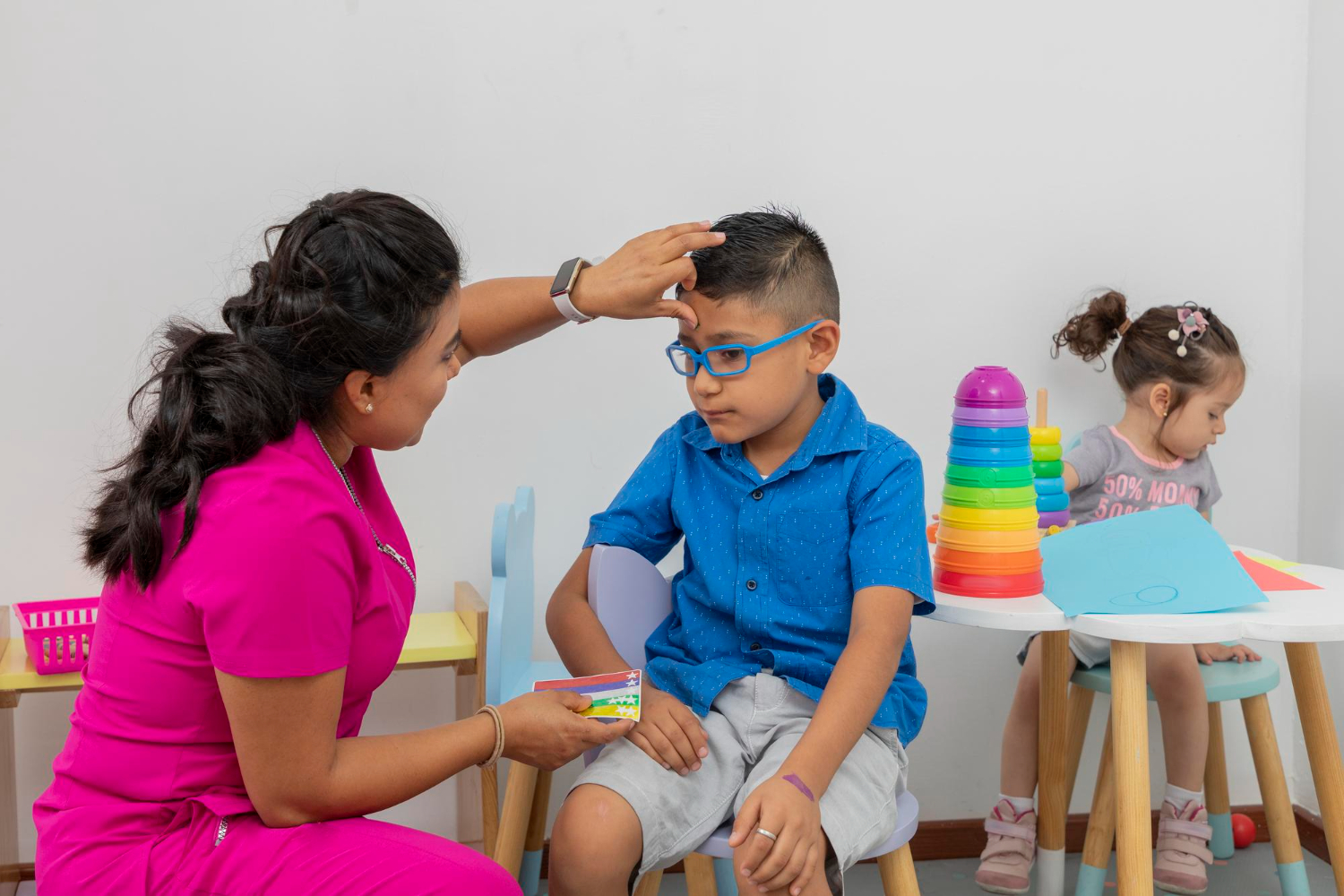
Many children benefit from occupational therapy when they experience developmental delays. These delays can affect motor skills, coordination, attention, or sensory processing.
For example, a child may have difficulty:
- Holding a pencil correctly
- Using scissors
- Buttoning clothes
- Feeding themselves
- Sitting still in class
- Playing with other children
Children with conditions such as Autism spectrum disorder, Attention deficit hyperactivity disorder, or Cerebral palsy often benefit greatly from occupational therapy.
OT helps children improve fine motor skills, hand-eye coordination, sensory regulation, and daily routines. Therapy sessions are often playful and engaging, making learning feel natural and enjoyable.
Sensory Processing Challenges
Some children and adults struggle with how their brain processes sensory information. They may feel overwhelmed by noise, lights, textures, or movement. Others may seek too much sensory input and appear restless or constantly moving.
A child who cries at loud sounds, refuses certain types of clothing fabric, or struggles in crowded environments may have sensory processing difficulties.
Occupational therapists use sensory integration techniques to help regulate responses. Over time, individuals learn to manage sensory input more comfortably, improving behavior, focus, and emotional balance.
Difficulty With Fine Motor Skills
Fine motor skills involve small movements of the hands and fingers. These skills are necessary for writing, typing, tying shoelaces, and handling small objects.
When someone struggles with fine motor control, everyday tasks can feel frustrating. A child may avoid homework because writing is hard. An adult may struggle with buttoning a shirt after a hand injury.
Occupational therapy strengthens hand muscles, improves coordination, and teaches techniques to make tasks easier. Small improvements can lead to big boosts in confidence.
Recovery After Injury or Surgery
After an accident, surgery, or serious illness, people often lose strength, coordination, or mobility. Occupational therapy plays an important role in recovery.
For example, someone recovering from a stroke may need help relearning how to:
- Dress independently
- Cook meals
- Brush their teeth
- Write or use a phone
Stroke survivors, including those recovering from Stroke, often rely on occupational therapy to regain daily skills.
Therapists focus on rebuilding strength and adapting tasks so individuals can safely return to daily life.
Neurological Conditions
Certain neurological disorders affect movement, coordination, and independence. Conditions such as Parkinson’s disease or Multiple sclerosis can gradually make everyday tasks more difficult.
Occupational therapy helps people adjust to changes in mobility and strength. Therapists may recommend assistive tools, teach energy-saving techniques, and suggest home modifications to improve safety.
The goal is to maintain independence for as long as possible.
Challenges With Daily Living Skills
Sometimes individuals simply struggle with daily routines. This can happen because of physical disabilities, learning challenges, or emotional conditions.
For example, a teenager with anxiety may struggle to organize schoolwork. A senior adult may have trouble remembering medication schedules. A child may resist brushing teeth or getting dressed.
Occupational therapists break tasks into manageable steps. They teach practical strategies and routines that make daily life smoother and less stressful.
Mental Health Support
Occupational therapy also plays a role in mental health. Emotional challenges like depression, anxiety, or trauma can interfere with daily functioning.
OT helps individuals rebuild structure in their day, develop coping strategies, and resume meaningful activities. When people engage in routines and hobbies they enjoy, their overall mental well-being often improves.
Therapists focus on creating balance between work, rest, and leisure.
Support for Seniors and Aging Adults
As people age, they may experience reduced strength, balance problems, or changes in memory. Occupational therapy helps seniors remain independent and safe at home.
Therapists may recommend:
- Grab bars in bathrooms
- Safer kitchen setups
- Fall prevention exercises
- Adaptive equipment for dressing
These changes allow older adults to continue daily routines with confidence and reduce the risk of injury.
Signs Someone May Need Occupational Therapy
- Difficulty completing age-appropriate tasks
- Frequent frustration during daily routines
- Poor coordination or clumsiness
- Trouble focusing or sitting still
- Sensitivity to sounds, textures, or lights
- Delays in developmental milestones
- Loss of independence after injury
What Happens During Occupational Therapy?
The first step is an assessment. The therapist observes how the person performs different tasks and asks questions about daily challenges. They then create a customized plan based on individual goals.
Therapy sessions may include:
- Strength-building exercises
- Fine motor skill practice
- Sensory integration activities
- Task-based training
- Adaptive equipment recommendations
Progress is gradual, but consistent therapy often leads to meaningful improvements.
How Occupational Therapy Improves Quality of Life

Occupational therapy does more than improve physical skills. It increases confidence, independence, and overall well-being.
When a child can finally tie their shoes independently, their self-esteem grows. When a stroke survivor prepares a simple meal alone, they regain a sense of control. When a senior adult safely bathes without assistance, dignity is preserved.
These everyday victories may seem small, but they have a powerful impact on emotional and social health.
The Importance of Early Intervention
For children, especially, early support makes a big difference. Addressing developmental delays early can prevent bigger challenges later.
Early occupational therapy can improve school readiness, social skills, and independence. The sooner support begins, the stronger the foundation for long-term success.
Discover Support and Independence with Theracare

Occupational therapy helps people of all ages live more independent and fulfilling lives. Whether it is a child struggling with motor skills or an adult recovering from injury, the right support can transform daily challenges into achievable goals.
Theracare provides compassionate, personalized occupational therapy services designed to meet each individual’s unique needs. If you or your child could benefit from expert guidance and supportive care, contact Theracare today and take the first step toward greater independence.