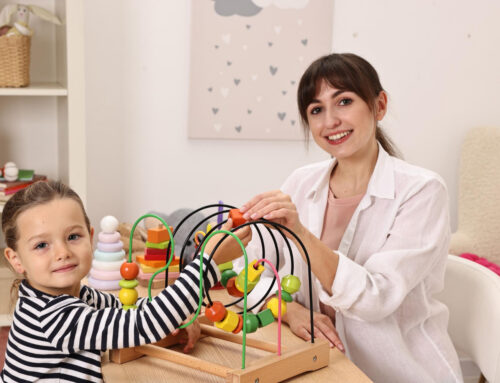
Every child is unique, whether born normal or with disabilities. The actual meaning of parenting is accepting the gift as it is, truly appreciating the almighty for what’s bestowed. Parenting a child with certain disabilities, specifically grouped under autism, is a joyful yet challenging venture, often termed a unique experience.
A majority of children on the autism spectrum experience differences in sensory processing, motor skill development, and social communication. Such abnormalities hinder a child’s accelerated progress and might create a major hurdle, interfering with their regular chores and causing their life to come to a standstill. The very basic activities, including getting dressed, gathering for a family meal, or interacting and playing with your peers, could trigger anxiety or sensory overload.
Understanding Widening of the Developmental Gaps

With your child finding it extremely difficult to navigate the environment they are exposed to, the frustration tends to have a ripple effect on the entire family. It’s devastating and self-deprecating to watch your child feel overwhelmed, and keeping themselves in isolation is extremely annoying.
The very parental instinct compels you to provide them with the tools they need to ensure a supportive environment, leading to an uncompromised holistic development. The journey, however, could feel frustrating and too complicated. Without timely, planned intervention, developmental gaps could widen, potentially demotivating the child and preventing them from building confidence and flourishing as an individual.
Structured support could help lay the foundations of the required developmental framework, leading to a complete change in the child’s growth trajectory. Professionally curated occupational therapy is one of the expert-recommended, evidence-based solutions for helping your child with autism navigate daily life struggles with ease and effortlessness. By focusing on sensory regulation, motor skills, and functional independence, occupational therapy empowers children to engage with the world comfortably and confidently.
Inquire or learn more about our tailored treatment plans. Schedule a meeting with our specialized therapists, and contact us to schedule a post-assessment consultation. Let us work collaboratively to help your child discover their true potential.
The Transformational Occupational Therapy

Occupational therapy is designed to help people perform everyday activities with ease. The specialised pediatric therapy primarily aims to develop the foundational skills a child needs for learning, playing, and growing into a fully developed, independent individual, with the purpose of enabling them to fulfill their responsibilities in person and towards society with proper conduct.
Enhanced Sensory Processing
Differences in sensory processing are very common among children with autism. A child showing hypersensitivity to loud noises or brightly colored lights, or maybe hyposensitivity, constantly seeking out deep pressure and movement.
Professional, trained occupational therapists create customized sensory integration strategies to effectively and efficiently assist students in navigating the challenges of diverse environments and progressing at a consistent pace.
By deploying structured interventions, therapists aim to support the central nervous system in organizing sensory input more synchronously. The discomfort associated with sensory overload is significantly reduced, enabling the child to focus unequivocally on meaningful engagement, whether in academic or social settings.
Fostering Independence- Improving Skills Required for Daily Life Challenges
Occupational therapy aims to help an individual become an independent person, leading a purposeful life. Therapists develop customized intervention plans, thereby helping children ace critical self-care tasks, from grooming to eating and dressing.
Such targeted therapies aim to break these complex tasks down into easy, manageable steps. By doing this, therapists target a well-rounded development, building a child’s confidence and competence. Dealing with essential daily life skills becomes less overwhelming when a child has a powerful sense of autonomy.
Enhanced Communication Skills and Better Social Interactions
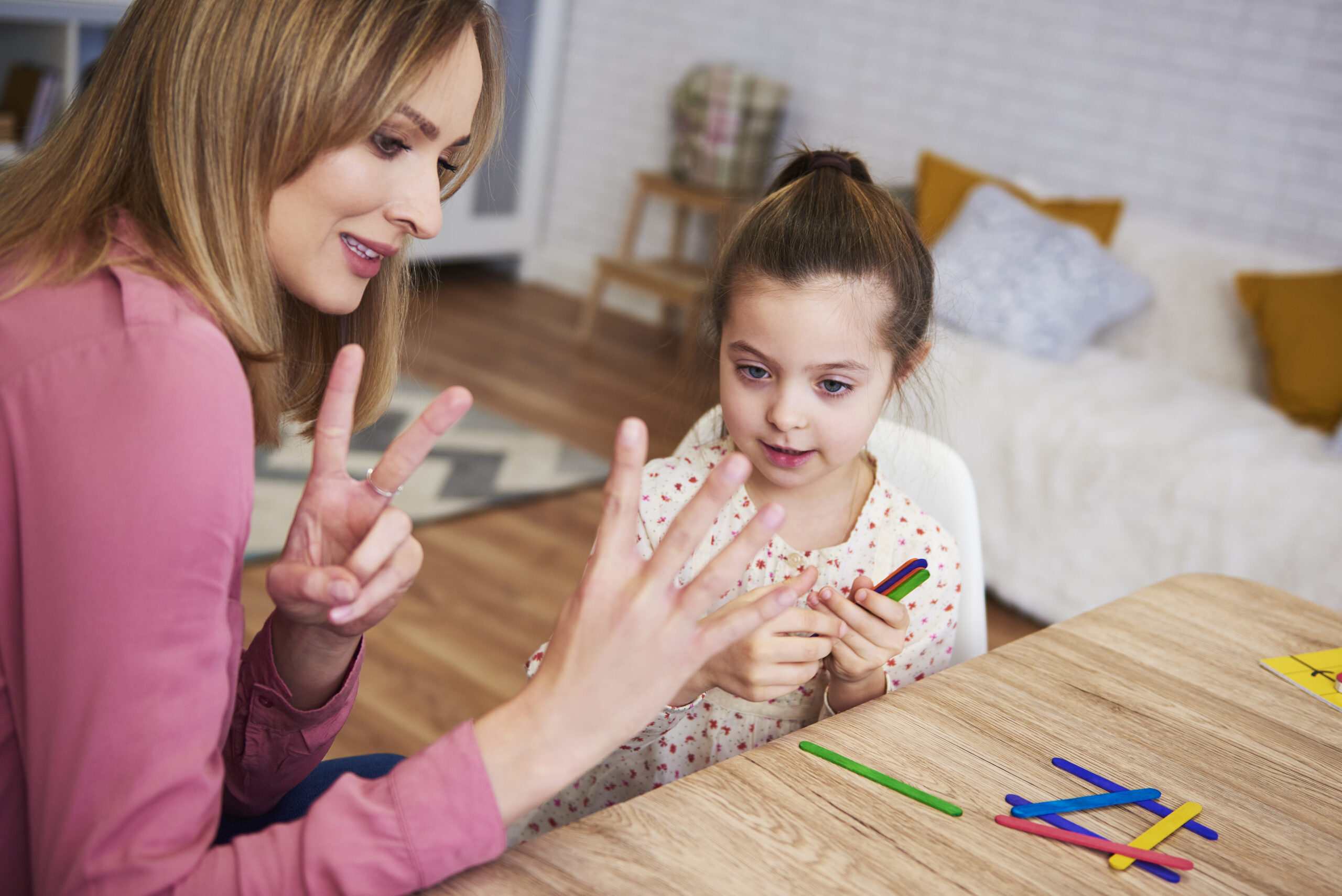
Forcing strong, meaningful, and enduring relationships, improved communication skills, and enhanced social interactions yield comprehensive development. Occupational therapy inherently incorporates specialized relationship-building techniques for growing confidence and competitiveness.
Portions of the therapy target a sentimental connection, fostering stronger communication and engaging the child through problem-solving skills brought into play. Focused on child-led activities, therapists flexibly add depth to the treatment, leaving ample space for the child to practice interpreting nonverbal cues, taking turns, and understanding social expectations.
Improved Motor Skills for Coordinated Movements
Most autistic children face immense challenges with gross and fine motor skills. Occupational therapy promotes the development of the required physical capabilities. Timely, professionally curated fine motor interventions are redirected toward improved handwriting or smooth utensil use, while gross motor skills emphasize balance and coordination.
Improved physical capabilities strengthen a child’s inner core, enabling greater participation in sports and school activities and laying the groundwork for balanced personal care routines.
Frequently Asked Questions- Autism Occupational Therapy
1. Is occupational therapy suitable for children with autism?
Yes, occupational therapy is pivotal for treating individuals with autism, emphasizing sensory processing, motor coordination, and social-emotional development. The therapy aims to foster an environment that not only boosts self-esteem but also encourages children to participate confidently in their daily routines.
2. At what age is it best to intervene with professionally conducted occupational therapy?
The ideal age for initiating occupational therapy for treating children with autism is between two and five years. Every intervention remains aligned with the child’s ability to achieve crucial developmental milestones, fostering essential skills that redefine cognitive and social growth.
3. For how long does a particular occupational therapy last?
Occupational therapy sessions typically range from 30 to 60 minutes, depending on the child’s personal needs. These sessions are held once or twice a week and are tailored to each child’s unique learning and development path.
Take the Next Step to Secure Your Child’s Future with Pride

Equipping your child with the right tools, intervening early, and providing professional help open the door to a brighter, more independent future. A detailed occupational therapy ensures the development of coping mechanisms, focusing on physical coordination and emphasizing the timely development of the critical social skills needed for them to thrive in all aspects of life.
The best part is that you will not have to navigate the journey alone. The experts at Theracare Pediatrics Services are ready to provide passionate, high-quality care that the family deserves.