Occupational Therapy? Ever heard that? Wait a moment! Does your child struggle to pay attention in school? An alarming situation, right? But on second thoughts, it is completely normal considering their playful and ignorant nature. What isn’t, though, is your child covering their ears during louder noises and becoming visibly distressed in busy, chaotic environments.
Having found it extremely difficult at times to regulate their emotions at will, they might encounter serious anomalies when handling certain responsibilities, such as using spoons and utensils. And if any of these scenarios sound similar to you, stay assured that it isn’t just you, but certainly in that long list of those unfortunate parents, who helplessly watch their child struggle with the daily tasks, a sight that could turn quite heart-wrenching for them.
As a normal, happy parent, you would want them to thrive, play, and learn fully-fledged with courage and confidence. Sometimes, those inevitable invisible barriers, however, come in the way, hindering the normal progress of the child, leading to social, emotional, psychological, and cognitive degradation.
It is very human to worry! Afterall, that is your instinctive reaction to a condition that could make a person whom you adore so passionately suffer even when turning into a mature individual. It is pivotal that you hold the baton, understand the challenges, and exercise stricter control to combat such hostilities at an early stage. A professionally curated occupational therapy is the next step that could be beneficial for your family’s needs.
In this guide, we will explore what occupational therapy is, how it supports childhood development, and the specific signs that indicate your child might thrive with this type of specialized support.
Pediatric Occupational Therapy- What is It?

Pediatric Occupational Therapy is a specialised field dedicated to assisting children in exploring, engaging with, experiencing, and evolving in the world around them. For most adults, the term “occupation” can mean a profession, but, as far as the child’s progress is concerned, occupation can mean playing and learning while still developing the skills necessary for a sustained livelihood when becoming a fully grown, responsible citizen.
Occupational therapy helps children navigate rugged, challenging terrain, turning it into some of the biggest opportunities in their lives. The process is staged, and progress is gradual; however, early intervention lets you achieve desired results with unrelenting commitment, followed by dedicated, consistent effort.
How Does it Work?
OT encourages and empowers children to participate in playtime, instilling a sense of courage and excitement. The therapy lets them tackle any untoward situation with confidence. With children facing hurdles in their daily routines, particularly due to developmental delays, recurring medical conditions, injuries that cause trauma, and other such environmental factors, intervening early through professional OTs can help.
NOTE:
A trusted, qualified, and caring pediatric therapist equips the child with the necessary skills, tools, and strategies, providing all the ingredients for a successful, happy, and fulfilling life and contributing responsibly to society.
Critical Areas of Progress in Occupational Therapy

Occupational therapy is never a one-size-fits-all approach. Catering to the ever-so-broadening spectrum of developmental needs, a holistic plan ensures comprehensive progress. Here is a detailed breakdown of the key areas of focus that could support your child’s growth.
Cognitive Skills for Independent Living
These cover mental processes that help us plan, focus, stay attentive, memorize instructions, and create the perfect balance by simultaneously understanding tasks and performing them systematically.
OT helps children regulate a massive outpour of emotions in a synchronized, well-regulated manner. Adding versatility and better adaptability, these executive functions and life skills help their work remain effective across different settings, continuously developing plans and following instructions.
Fine Motor Development
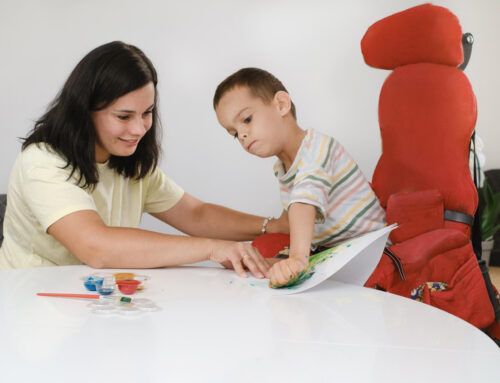
Fine motor skills emphasize well-coordinated, precise muscle movement, ensuring an intricate interplay of the wrists, hands, and fingers. Exercising to strengthen these muscles helps them perform the required activities more easily, including brushing their teeth, tying their shoelaces, or fastening buttons.
Gross Motor Development

Gross motor skills involve expansive muscle movements, typically involving the legs, torso, and arms. Gross motor development remains integral for strenuous, challenging physical activities regularly performed, including walking, climbing, and running. Well-coordinated movements during these activities indicate a deeper, intrinsic connection to the early stages of infant development.
Visual Cognitive Skills
These skills describe the brain’s ability to perceive and analyse what the eyes see. These directly refer to the brain’s inherent capability to process, helping children not just distinguish but focus on the details. From identifying shapes to numbers, patterns, and letters, visual cognitive skills help a person interpret even the slightest details the eyes capture.
From reading to writing to math and copying, done from a board or paper, the skill set also helps the child understand spatial relationships and visual organization. Strong visual perception skills remain at the core of academic success, enabling children to excel in everyday functional tasks.
Visual-Motor Coordination
Visual-motor coordination describes the ability to coordinate visual input with motor output. From seeing a ball approaching you and moving your hands to catch it, to copying words, letters, numbers, and designs onto paper precisely, visual-motor skills help the child perform classroom activities with complete control. Maintaining a fine balance promotes efficiency and independence.
Sensory Integration and Regulation
Sensory processing directly indicates the functioning of the nervous system and how effectively it receives information from our senses of touch, smell, taste, etc. Coordinated efforts help regulate signals from the senses to produce appropriate motor and behavioral responses.
A child who has accidentally stepped on a hot pavement would instinctively step aside onto the cooler grass. Effective sensory regulation enhances focus, promotes calmness, and participation in regular activities.
Occupational Therapy Supports Childhood Development

It is crucial to intervene through professionally curated occupational therapy to guarantee holistic development from the very early stages of childhood. Targeting the positive impacts for the long term, a veteran pediatric occupational therapist understands a child when they are quite raw during the very budding stages, studying and analyzing their unique needs, interests, and abilities. A child is assisted through personalised treatment plans designed to support them quite early in their development and help them reach their full potential.
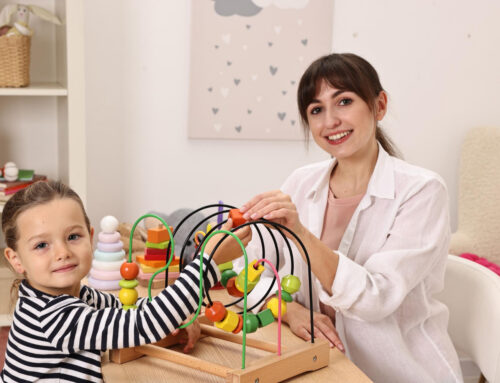
Regular sessions are uninterrupted engagements that allow the child to interact through child-led, play-based activities. Incorporating age-appropriate exercises rekindles the interest in the children, capturing their attention and prompting them to respond to the therapists, further encouraging deeper connection.
A series of such interactive sessions promotes a child’s learning and retention, practicing essential skills required for thriving as an individual with a life of purpose.
Whether in a clinic or the comfort of your home, this tailored approach builds confidence and capability.
Empowering through Occupational Therapy
Pediatric occupational therapists are specialized professionals who treat a range of conditions, ensuring that children achieve optimal outcomes. OT could ultimately become a powerful option to treat your child if they are experiencing severe impacts related to:
- Developmental delays
- Medical conditions
- Attention-deficit/hyperactivity disorder (ADHD)
- Sensory processing difficulties
- Autism spectrum disorder
- Down syndrome
- Cerebral palsy
- Traumatic injuries
Signs Your Child Requires Occupational Therapy
Careful observation is pivotal to supporting your child’s growth. But when to initiate a proactive involvement with a professionally curated occupational therapy program when unsure if your child needs the support, here are a few of those signs that could signal the need for an early intervention:
- Delayed Motor Milestones: Motor delays occur when a child fails to reach movement milestones within the expected age range. The child’s gross motor skills may be affected, including sitting, crawling, running, and walking. A range of fine motor skills might also suffer serious setbacks, including grasping, feeding, or handwriting. Motor delays significantly impact balance, strength, and coordination.
- Self-Care Troubles: Facing significant difficulties while exercising self-care, including activities like getting dressed, maneuvering fasteners(primarily including buttons), or tying your laces.
- Coordination Challenges: Underline issues that highlight difficulties and challenges while performing any sporting activity, climbing on the equipment in the playground, and becoming habitual of missing the timing of the ball being thrown at the child.
- Abrupt Emotional Regulation: Indicates a complete misalignment of emotions, difficulty self-soothing in unfamiliar surroundings, or a tendency to react instinctively, leading to being overwhelmed by a range of upsetting emotions.
- Avoiding Sensory Stimulus: Consider any possible signs that signal your child shying away from exposing themselves to bright light, loud sounds, particular clothing fabrics, or peculiar food textures.
- Sensory Seeking: Engaging in unsafe jumping, crashing into objects, or constantly craving deep pressure.
- Utensil Application: Continued difficulty in using a pencil, spoon, or a fork appropriately.
The Theracare Approach: Individualized Pediatric Services

At Theracare Pediatrics Services, we extend comprehensive support, ensuring a holistic approach and passionately delivering assistance so every child blossoms and reaches their ultimate potential. We completely understand that every child is special and has unique needs, and a “cookie-cutter” approach doesn’t work.
Our qualified and dedicated team includes over 250 Occupational, Physical, and Speech Therapists covering every corner of Arizona. Our goal is always to have a therapy provider available, no matter how rural the area, ensuring that geography is never a barrier to quality care.
With our therapists undergoing quality training and other rigorous checks that affirm only the highest standards, we literally stand out. These are quarterly training programs that provide thorough exercises, drawing on the latest evidence-based research. Our efforts go beyond imagination, helping the child reach their goals. We encourage family participation in sessions, whether in-clinic or at home, to ensure learned skills carry over into daily life.
Schedule a call with our experts today to discuss your concerns. We are here to provide the individualized pediatric services your family deserves.