Communication is one of the most important skills a child develops during the early years of life. From saying their first words to expressing thoughts, feelings, and needs, communication plays a major role in a child’s learning, social development, and confidence.
However, not all children develop speech and language skills at the same pace. Some children may have difficulty pronouncing words, understanding language, expressing themselves, or interacting with others. When these challenges affect a child’s daily life, pediatric speech therapy can provide valuable support.
Speech therapy is designed to help children improve their communication abilities and build the skills they need to succeed at home, in school, and in social situations. Early intervention can make a significant difference in helping children reach their full potential.
In this guide, we’ll explain what pediatric speech therapy is, how it works, and why it plays such an important role in a child’s development.
What Is Pediatric Speech Therapy?

Pediatric speech therapy is a specialized service that helps children improve speech, language, communication, and related developmental skills. Speech-language pathologists work with children to identify communication challenges and create individualized treatment plans based on their unique needs.
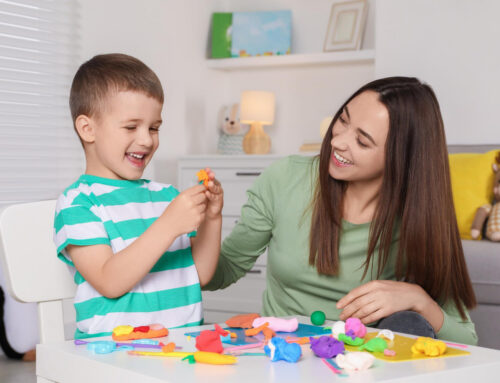
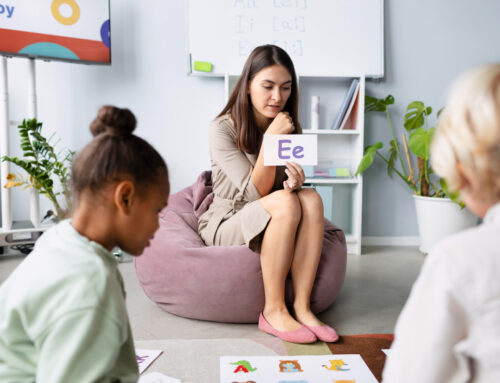
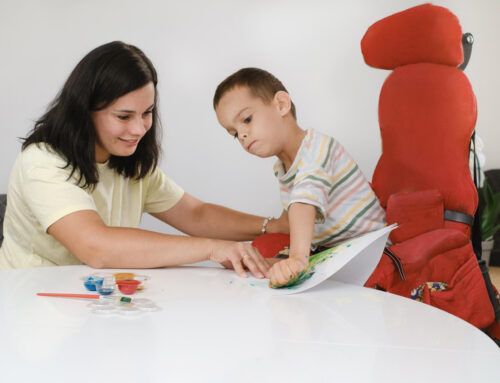
Therapy sessions are often designed to be engaging and age-appropriate, using games, activities, books, and interactive exercises that encourage learning through play.
The goal is not only to improve communication skills but also to help children gain confidence and participate more successfully in everyday activities.
Understanding the Difference Between Speech and Language
Many people use the terms speech and language interchangeably, but they are actually different.
Speech
Speech refers to how words are spoken. It includes pronunciation, articulation, voice quality, and fluency.
Children with speech difficulties may struggle to produce certain sounds correctly or may have trouble speaking clearly enough to be understood.
Language
Language refers to understanding and using words to communicate.
This includes:
- Understanding directions
- Following conversations
- Learning vocabulary
- Forming sentences
- Expressing ideas and emotions
A child can have challenges with speech, language, or both at the same time.
Why Communication Skills Are So Important

Communication affects nearly every area of a child’s life.
Children use communication skills to:
- Express wants and needs
- Build friendships
- Learn in school
- Participate in activities
- Develop self-confidence
- Understand instructions
- Share thoughts and emotions
When communication challenges occur, children may become frustrated because they cannot express themselves effectively or understand others clearly. Speech therapy helps bridge these gaps and supports healthy development.
Common Reasons Children Need Speech Therapy
There are many reasons a child may benefit from pediatric speech therapy. Every child is unique, and communication challenges can vary widely.
Some common concerns include:
- Delayed speech development
- Difficulty pronouncing sounds
- Limited vocabulary
- Trouble forming sentences
- Difficulty understanding language
- Stuttering or fluency issues
- Social communication challenges
- Voice disorders
- Feeding and swallowing concerns
Early identification of these issues can help children receive support before challenges become more significant.
Speech Delays in Children
Speech delays are one of the most common reasons parents seek therapy services. A speech delay occurs when a child is not meeting expected communication milestones for their age.
For example, some children may:
- Speak fewer words than expected
- Have difficulty combining words into phrases
- Struggle to communicate basic needs
- Be difficult for others to understand
While every child develops at their own pace, ongoing delays may benefit from professional evaluation and support.
Articulation and Pronunciation Challenges
Articulation refers to the ability to produce speech sounds correctly. Some children have difficulty pronouncing certain sounds, causing words to sound unclear or incorrect.
Examples may include:
- Replacing sounds with other sounds
- Omitting sounds entirely
- Distorting sounds during speech
These challenges can sometimes affect a child’s confidence and ability to communicate effectively with others.
Speech therapy helps children learn to produce sounds correctly and improve overall speech clarity.
Language Delays and Language DDisorders

Language challenges involve understanding or using language appropriately.
Children with language difficulties may have trouble:
- Following directions
- Learning new words
- Understanding questions
- Forming complete sentences
- Participating in conversations
These skills are essential for academic success and social development. Speech therapists use individualized strategies to strengthen language comprehension and expression.
Fluency Disorders and Stuttering
Some children experience disruptions in the natural flow of speech.
Stuttering may involve:
- Repeating sounds or words
- Prolonging sounds
- Pauses or blocks during speech
These interruptions can make communication difficult and sometimes affect a child’s confidence.
Speech therapy provides techniques that help improve fluency and reduce communication anxiety.
Social Communication Skills
Communication involves more than speaking words. Children must also learn how to interact appropriately with others.
Social communication skills include:
- Taking turns during conversations
- Understanding social cues
- Maintaining eye contact
- Staying on topic
- Building friendships
Some children may benefit from support in developing these important interpersonal skills.
How Pediatric Speech Therapy Works

Speech therapy begins with a comprehensive evaluation. The speech-language pathologist assesses the child’s communication strengths and areas of need. This evaluation helps create a personalized treatment plan designed specifically for the child.
Therapy sessions often include:
- Interactive games
- Storytelling activities
- Speech exercises
- Language-building activities
- Play-based learning
- Parent education and involvement
Sessions are designed to be fun and motivating while targeting important communication goals.
The Importance of Early Intervention
Early intervention is one of the most important factors in successful speech therapy outcomes.
Young children’s brains are highly adaptable and capable of learning new skills quickly.
Addressing communication challenges early often allows children to make significant progress before difficulties begin affecting academic or social development.
Benefits of early intervention may include:
- Improved communication skills
- Increased confidence
- Better social interactions
- Stronger school readiness
- Reduced frustration
- Greater independence
The earlier concerns are addressed, the more opportunities children have to develop essential communication abilities.
The Role of Parents in Speech Therapy
Parents play a critical role in a child’s communication development. Speech therapists often work closely with families to provide strategies that can be used at home between therapy sessions.
Simple activities such as reading together, having conversations, asking questions, and encouraging communication throughout daily routines can significantly support progress.
Consistent practice outside of therapy often helps children achieve goals more effectively.
Signs Your Child May Benefit from Speech Therapy
- Is difficult to understand compared to peers
- Is not meeting speech milestones
- Has limited vocabulary for their age
- Struggles to follow directions
- Has trouble expressing thoughts and needs
- Shows frustration during communication
- Stutters frequently
- Has difficulty interacting socially
Common Benefits of Pediatric Speech Therapy
- Communication skills
- Social interactions
- Confidence and self-esteem
- Academic readiness
- Problem-solving abilities
- Emotional expression
- Family communication
Common Mistakes Parents Should Avoid
- Assuming a child will automatically outgrow communication challenges
- Waiting too long to seek professional guidance
- Comparing a child’s development to that of every other child
- Ignoring early warning signs of speech or language delays
- Expecting progress to happen overnight
- Skipping therapy sessions or home practice activities
- Focusing only on speech instead of overall communication development
- Becoming discouraged by gradual progress
- Not asking questions or staying involved in therapy goals
- Delaying evaluations because of uncertainty or fear
Why Choosing the Right Therapy Provider Matters

A supportive and experienced therapy team can make a significant difference in a child’s progress.
Effective therapy should be personalized, engaging, evidence-based, and focused on each child’s unique strengths and needs.
The right provider also works closely with families to ensure children receive consistent support across home, school, and therapy environments.
How Theracare Pediatric Services Can Help
Communication is one of the most important building blocks of childhood development. When speech or language challenges arise, early support can make a meaningful difference in a child’s ability to learn, connect with others, and thrive. Pediatric speech therapy helps children develop the communication skills they need to succeed in everyday life while building confidence and independence along the way.
At Theracare Pediatric Services, children receive compassionate and individualized speech and language therapy tailored to their unique needs. Their highly skilled therapists use evidence-based interventions and family-centered care to help children improve communication skills, build confidence, and reach their full potential.
Whether a child is experiencing speech delays, language difficulties, social communication challenges, or other communication concerns, the dedicated team at Theracare Pediatric Services is committed to supporting every step of their developmental journey.
Contact us today to learn more about our pediatric speech therapy services and discover how we can help your child communicate, connect, and succeed.